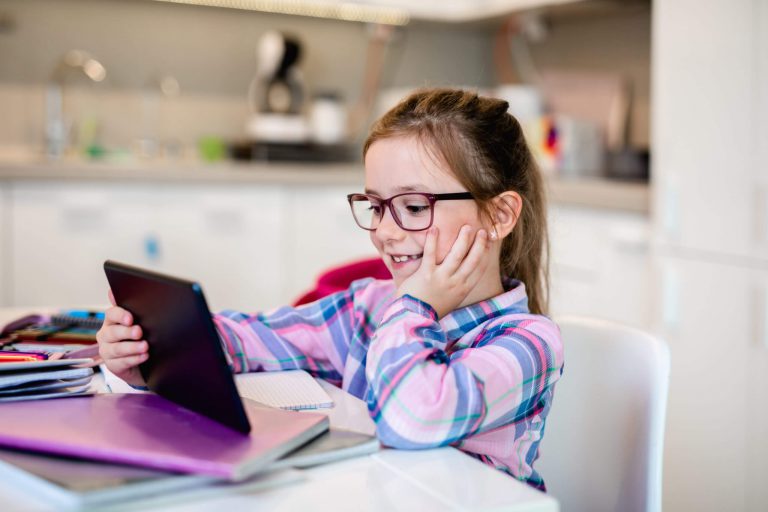
An image of a girl smiling while holding her tablet.

How to Use Technology to Bring Out the Best in Your OT Students

Occupational therapy can be daunting for any student. They often come into an OT situation frustrated and unwilling to accept help. Students with disabilities tend to be sensitive about their limitations, which can make therapy a challenge. Structuring an educational environment to allow for student success is critical to ensuring that students have a successful experience. Identifying ways to help students improve their skills while still having fun is just one example of how to help students in a classroom setting. Gamification is the process by which video games and educational goals can merge, creating a new way to teach students or help them focus on skills which need improving.
Read More

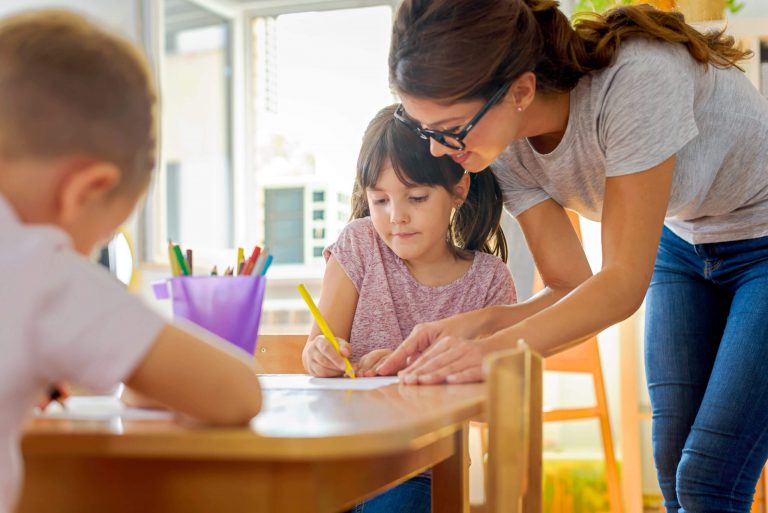
A teacher complimenting her student on her coloring.

Preparing Special Needs Students for Real World Success

Graduation is an exciting time for students, and rightly so; high school students begin looking forward to graduation at the start of their senior year. For students with special needs, graduation is an accomplishment that is not to be underestimated. For therapists and special education teams, tracking a student’s progress toward this goal requires cooperation from the student, their teachers, and their parents. The student’s IEP should reflect clearly defined goals that a student can reach to ascertain their progress toward a diploma. In some cases, schools may award a certificate of IEP outlining that a student has met their IEP goals, but not completed the requirements for a diploma. The decision to let a student depart high school without having received a diploma is discussed heavily by all team members involved in the student’s education.

Read More

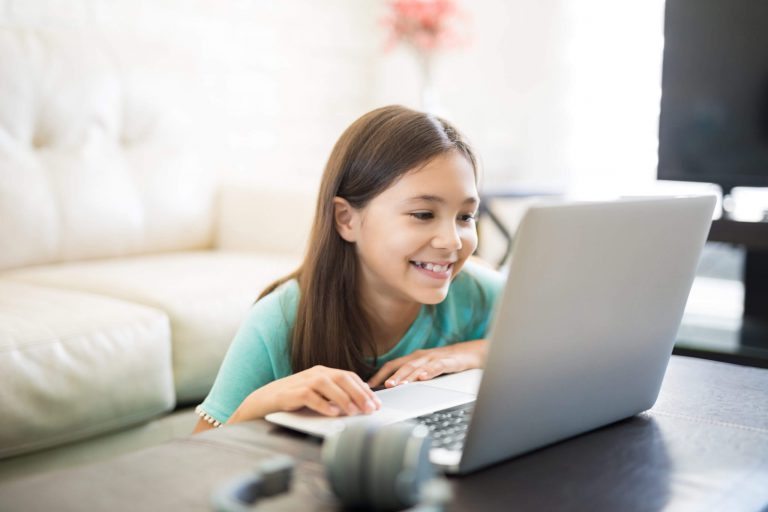
A girl smiling while playing on their laptop.

Using Educational Game Apps in Special Education and Other School Settings

Using games as educational tools is far from a new trend. Within the last few years, educational technology has exploded. From app development to games being turned on their head and re-purposed for an educational setting, the gaming and educational world has collided in an outpouring of opportunity. Some say that games are not educational, especially those of the digital variety. Research has proven that video games can improve students' social skills, puzzle solving capabilities, and their critical thinking capacity. This can be especially helpful with special education students, as more and more students are having supportive technology included in their IEPs and 504 plans. Teaching students through gaming can be a way to bridge the gap between educator and student, while allowing students to have fun at the same time.

Read More

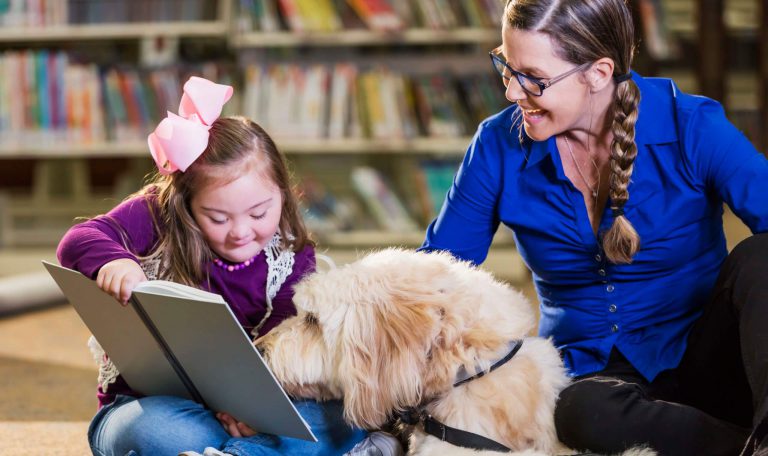
A girl reading a book to a therapy dog in a library.

Should Your School Use Therapy Dogs?

There are numerous benefits to having therapy dogs in schools, and the trend is gaining in popularity. Therapy dogs are specifically trained and certified, spanning many breeds of dog. There is no one size fits all therapy dog, and each is unique. Many schools are choosing to bring therapy dogs in for their students and staff, due to the many positives of having a dog accessible during the day. These can range from stress reduction, better behavior, less anxiety, and even encourages students to share their thoughts and feelings, or for some--speak more than they had in years.

Read More

An image of a smiling girl in the snow.

How to Handle Caseload Issues in School Therapy

Caseloads continue to grow for school-based therapists as more and more children are identified as being in need of services. While caseload only takes into account the number of students seen by each therapist, the amount of work involved will vary widely based on each student's needs. School districts may or may not take workload into consideration when students are added to a therapist's caseload. Here are some tips for school-based therapists on how to manage large caseloads:

Read More